


What Is a Proper Sewer Scope Inspection?
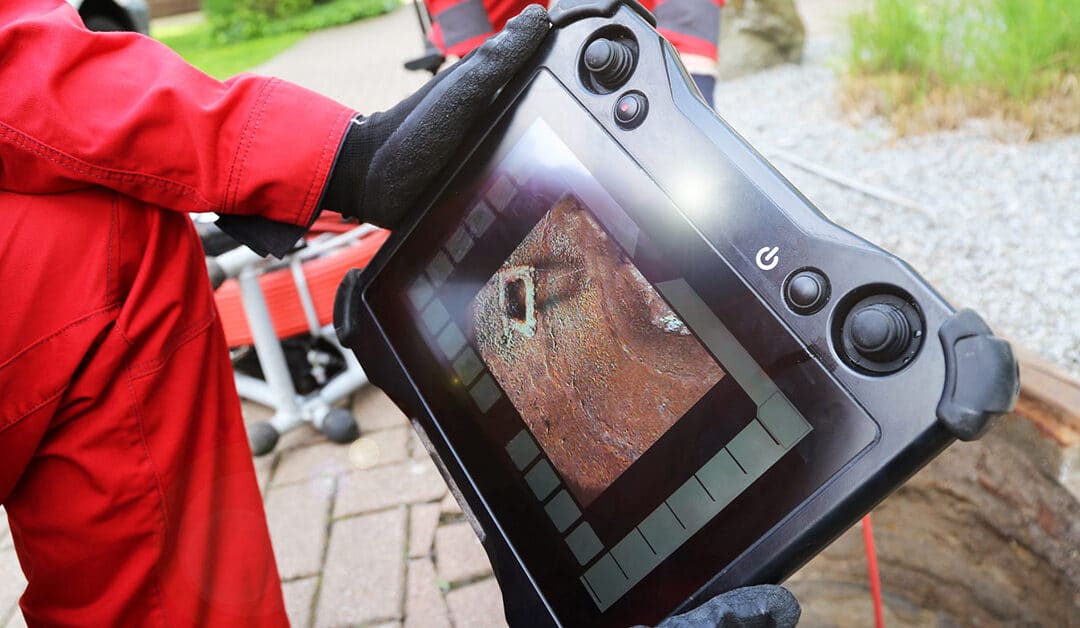
A proper sewer scope inspection involves inserting a specialized sewer camera into a home’s sewer line, running water through the system during the inspection, documenting pipe materials and defects, locating the sewer line, identifying potential code or conformity issues, and providing professional recommendations based on the findings.
A thorough sewer scope inspection should evaluate:
- Pipe material and overall condition
- Root intrusion
- Cracks and fractures
- Offset joints
- Pooling (bellies)
- Structural deterioration
- Party sewer connections
- Nonconforming sewer systems
- Sewer alignment and depth
- Connection to the city main
For homeowners and homebuyers throughout Portland, Beaverton, Hillsboro, Aloha, Tigard, Tualatin, Lake Oswego, Sherwood, Wilsonville, Oregon City, Happy Valley, Gresham, Troutdale, Forest Grove, and Cornelius, a sewer scope inspection can uncover hidden problems that may cost anywhere from a few thousand dollars to tens of thousands of dollars if left undiscovered.
Why Sewer Scope Inspections Matter More Than Most People Realize
Over the past 22 years, I have performed thousands of sewer scope inspections for homeowners, real estate agents, buyers, sellers, and property managers throughout the Portland Metro area.
During that time, I have seen excellent inspections, incomplete inspections, and unfortunately, inspections that missed major issues that later cost homeowners significant amounts of money.
This article is not intended to criticize other contractors. Instead, it is meant to educate homeowners, real estate professionals, and even other contractors on what a thorough sewer scope inspection should include and why the details matter.
Unlike a roof, siding, or windows, most of your sewer system is buried underground and cannot be visually inspected without specialized equipment. Problems can exist for years before they become obvious, and by the time symptoms appear, repairs are often much more expensive.
A sewer scope inspection is one of the most valuable inspections that can be performed during a real estate transaction.
A Real Example of Why Sewer Scope Inspections Matter
One particular inspection has stayed with me for years.
A homebuyer hired a contractor to perform a sewer scope inspection during a real estate transaction. The inspection appeared routine and no major concerns were identified.
Several months after purchasing the home, the homeowner began exploring options for future sewer work and quickly discovered something that should have been identified during the original inspection.
The property was connected to a party sewer system, and portions of the sewer alignment crossed neighboring property.
The original inspection failed to identify the shared connection. The sewer had not been properly located, and the camera inspection was performed too quickly to identify several critical details.
As a result, the homeowner eventually learned the sewer system was considered nonconforming and would need to be disconnected and replaced with a compliant sewer connection.
The cost to correct the issue was approximately $10,000.
The original sewer inspection cost less than $150.
That experience reinforced something I have believed throughout my entire career: a sewer scope inspection is not simply about reaching the city main. It is about understanding the entire sewer system, identifying potential liabilities, documenting existing conditions, and helping buyers make informed decisions before closing on a home.
Accessing the Sewer Properly
There are several ways to access a sewer line for inspection:
- Exterior sewer cleanout
- Interior cleanout
- Roof vent
- Toilet flange (after removing the toilet)
While every situation is different, the preferred access point is usually an exterior cleanout whenever one is available.
At the beginning of the inspection, the video should clearly document where the camera is being inserted. The contractor should identify the access point, explain whether it is a 3-inch or 4-inch cleanout, and discuss the pipe material being entered.
Common pipe materials include:
- Cast iron
- ABS plastic
- PVC (3034)
- Terra cotta
- Concrete
- Orangeburg
- Asbestos cement pipe
This documentation creates a clear record and eliminates confusion later.
Why Water Should Be Running During the Inspection
One of the most common mistakes I see is performing a sewer scope inspection without running water.
During a proper inspection, water should be flowing through the sewer system while the camera is being advanced toward the city main.
Running water helps reveal:
- Root intrusions
- Flow restrictions
- Improper drainage
- Debris accumulation
- Pooling sections
- Drainage performance
Water movement provides information that often cannot be seen in a dry pipe.
The Proper Sewer Scope Process
For real estate transactions, I recommend the following process:
- Document the access point.
- Identify the pipe material.
- Begin recording with water running.
- Advance the camera continuously toward the city main.
- Reach the city main whenever possible.
- Turn off the water.
- Slowly retrieve the camera while evaluating the pipe condition.
- Locate the sewer line electronically.
- Document defects and provide recommendations.
Many defects are easier to identify during the pullback inspection than during the initial push.
Understanding Common Sewer Pipe Materials
Cast Iron
Cast iron is commonly found in older homes throughout Portland and surrounding communities.
Common defects include:
- Scaling
- Channeling
- Corrosion
- Bottom rot
- Structural deterioration
Terra Cotta
Terra cotta pipe was installed in short sections joined together every few feet.
Common issues include:
- Root intrusion
- Cracks
- Joint separation
- Offset joints
If roots are entering through a joint, the pipe has already experienced a failure point.
Concrete Pipe
Concrete sewer pipe should have a relatively smooth interior surface.
One of the biggest concerns is exposed aggregate.
When aggregate becomes exposed, the rough surface catches toilet paper, waste material, and debris, increasing the likelihood of future backups.
Orangeburg Pipe
Orangeburg is one of the most problematic sewer materials ever installed.
Made from compressed wood pulp and tar, Orangeburg deteriorates over time and commonly experiences:
- Crushing
- Deformation
- Delamination
- Flow restrictions
When Orangeburg is identified, homeowners should understand the increased risk associated with the material.
Asbestos Cement Pipe
Asbestos cement pipe often performs reasonably well structurally, but the joints frequently become failure points.
Inspectors should carefully evaluate:
- Root intrusion
- Joint separation
- Offset conditions
- Joint integrity
ABS and PVC
Modern plastic sewer systems are generally easier to evaluate but still require careful inspection.
Common concerns include:
- Cracks
- Offsets
- Improper grading
- Pooling
- Root intrusion at connections
What Causes Pooling in a Sewer Line?
Pooling, often called a belly, occurs when water remains in the pipe after normal flow.
Potential causes include:
- Settlement
- Improper installation
- Pipe deterioration
- Root pressure
- Over-compaction
- Rodent activity creating underground voids
Not every belly requires immediate replacement, but every belly should be documented and evaluated.
Identifying Party Sewers and Nonconforming Systems
This is one of the most overlooked portions of many sewer inspections.
A party sewer occurs when multiple properties share a portion of the same sewer system before reaching the public main.
A nonconforming sewer may involve:
- Shared sewer systems
- Sewer lines crossing neighboring properties
- Sewer alignments within rights-of-way
- Sewer systems that no longer meet current municipal requirements
Failure to identify these conditions can expose homeowners to significant future costs.
In some cases, correcting a nonconforming sewer can cost $10,000 to $30,000 or more depending on the municipality and site conditions.
Why Sewer Locating Matters
A sewer inspection should not end when the camera reaches the city main.
The sewer line should be electronically located whenever possible.
Locating provides valuable information including:
- Sewer alignment
- Approximate depth
- Pipe transitions
- Branch connections
- Relationship to property lines
Proper locating can save homeowners significant time and money when future repairs become necessary.
Real Estate Transactions vs. Existing Homeowners
Real estate inspections should be held to a higher standard.
The buyer has no history with the property and relies heavily on the information provided by the inspection.
For existing homeowners, recommendations may vary based on maintenance history, budgeting goals, and risk tolerance.
Not every root intrusion requires immediate replacement.
Not every defect requires a full sewer replacement.
Sometimes hydro jetting, maintenance, trenchless lining, or a spot repair may be the most practical solution.
The goal is to educate homeowners so they can make informed decisions.
Professional Recommendations Matter
One of the most important responsibilities of a sewer inspector is providing a professional conclusion.
The purpose of a sewer inspection is not simply to gather information. It is to interpret that information and explain what it means.
Homeowners and real estate professionals depend on that expertise when making important financial decisions.
Frequently Asked Questions About Sewer Scope Inspections
What is Orangeburg pipe?
Orangeburg pipe is a sewer pipe made from compressed wood pulp and tar. It was commonly installed between the 1940s and 1970s and is known for crushing, deforming, and deteriorating over time.
Why should water be running during a sewer scope inspection?
Running water allows the inspector to evaluate the sewer line under actual operating conditions and helps identify drainage issues, root intrusions, and pooling that may not be visible in a dry pipe.
How much does sewer line repair cost?
Minor sewer repairs may cost between $2,000 and $5,000. Larger repairs, replacements, or nonconforming sewer corrections can range from $10,000 to $30,000 or more depending on site conditions and municipal requirements.
How long does a sewer scope inspection take?
Most residential sewer scope inspections take between 30 and 90 minutes depending on the length of the sewer line, access points, locating requirements, and findings.
When should a homebuyer order a sewer scope?
A sewer scope inspection should be performed during the inspection contingency period of any real estate transaction, especially for homes built before 1990.
What is a party sewer?
A party sewer is a sewer line shared by multiple properties before connecting to the public sewer main. These systems can create ownership, maintenance, and compliance concerns that should be identified before purchasing a property.
Are roots in a sewer line always a sign that replacement is needed?
No. Some root intrusions can be managed through maintenance, hydro jetting, spot repairs, or trenchless lining. However, root intrusion always indicates a point of failure that should be evaluated.
About the Author
Tom Wolfe is the owner of Clog Busters LLC and has spent more than 22 years inspecting, diagnosing, repairing, replacing, and locating sewer systems throughout the Portland Metro area.
Tom has performed thousands of sewer scope inspections for homeowners, homebuyers, real estate professionals, property managers, and commercial property owners. His experience includes sewer diagnostics, trenchless sewer lining, pipe bursting, sewer locating, municipal code compliance, and complex sewer system repairs.
Clog Busters LLC
CCB #200212
Serving Portland, Beaverton, Hillsboro, Aloha, Tigard, Tualatin, Sherwood, Wilsonville, Lake Oswego, Oregon City, Happy Valley, Gresham, Troutdale, Forest Grove, Cornelius, and surrounding communities.
Final Thoughts
A professional sewer scope inspection is much more than simply running a camera through a pipe.
It requires understanding pipe materials, identifying defects, recognizing nonconforming sewer systems, locating the sewer line, documenting conditions, and providing meaningful recommendations.
When performed correctly, a sewer scope inspection can protect homeowners from costly surprises and provide valuable information during one of the largest financial decisions they will ever make.
At Clog Busters LLC, we believe education is one of the most important parts of our job. Whether you are buying a home, selling a home, or maintaining a property you already own, understanding the condition of your sewer system is critical.
If you have questions about a sewer scope inspection or would like to schedule one, contact Clog Busters LLC at 503-680-8947.